



In desert cities, an air conditioner fails less often because the brand is wrong and more often because the engineering is off. Las Vegas heat pushes systems to their limits, so the choices that matter most happen before the unit is ever turned on: sizing the equipment correctly and moving air through the ducts without choking the system. This article walks through how high-ambient conditions, sun exposure, attic realities, and duct design change the math for a successful installation. If you are weighing a replacement or new build, understanding these two pillars will help you ask sharper questions and avoid the most common regrets.
- How desert heat skews cooling load calculations
Las Vegas homes see extreme roof and attic temperatures, intense solar gain on west-facing glass, and long cooling seasons. A proper Manual J load calculation accounts for all of that, not just square footage. Orientation, shading, window SHGC, insulation levels, infiltration, and room-by-room usage drive the final tonnage. Oversizing to “be safe” backfires here: short run times lead to uneven room temperatures, extra starts wear on the compressor, and ducts that never see steady airflow struggle to deliver to the furthest vents.
Many homeowners begin by searching for installers and reading guides such as Air Conditioning Installation Las Vegas, but the key question to ask is whether a true Manual J will be performed for your home’s exact envelope. Consider a common scenario: a single-story ranch with a large west-facing living room and can lights in the ceiling. The evening sun adds load just as the attic radiates heat downward. A quick tonnage guess may look fine on paper, yet the living room will still lag unless the load calc and duct design anticipate that late-day spike.
- Ducts, returns, and static pressure: shaping airflow before day one
Even a perfectly sized condenser cannot rescue a high static pressure duct system. Blowers are designed to move roughly 350 to 400 CFM per ton through a coil. Undersized return grilles, long runs of compressed flex duct, restrictive 1-inch high-MERV filters, or tight elbow fittings all raise total external static pressure. When static climbs, airflow falls. That drops the coil temperature, which can cause icing, whistles at the grilles, and hot rooms at the end of trunk lines. A better approach is right-sized returns, short and smoothly routed supply trunks, sealed joints with mastic, and a deeper media filter cabinet that adds filtration area without the steep pressure penalty.
Two examples show how details matter. First, a home office added near the end of a branch line stays warm because the new takeoff stole airflow from a bedroom. Balancing dampers on the closer runs and a slightly larger branch to the office can redirect CFM where it is needed. Second, a filter “upgrade” to a dense 1-inch pleated option seems smart, but it tips static pressure over the blower’s limit. Switching to a 4-inch media cabinet often restores airflow while still improving indoor air quality, avoiding the mistake of solving one problem by creating another.
- Picking the outdoor unit and blower that match the design, not the brochure
Equipment selection should follow the load and airflow plan, not lead it. In high-ambient climates, pay attention to EER alongside SEER2. SEER2 reflects seasonal efficiency across conditions, but EER indicates performance at peak temperatures that define Las Vegas afternoons. Variable-speed inverter condensers and ECM indoor blowers can modulate capacity and airflow to smooth temperature swings and reduce noise. The trade-off is higher upfront cost and greater sensitivity to duct restrictions. The promised comfort gains only arrive when the coil, blower, and ducts are matched and commissioned as a system.
Controls matter, too. A two-stage or variable-speed unit that is paired with a single-stage thermostat will behave like a basic system. Set up matters more than labels. Proper dip-switch or software configuration of blower CFM per ton, staging thresholds, and temperature profiles ensures the air handler and condenser speak the same language. Skipping this step leaves capacity on the table and can mimic the symptoms of poor sizing, even with premium equipment installed.
- Placement, attic realities, and condensation in high heat
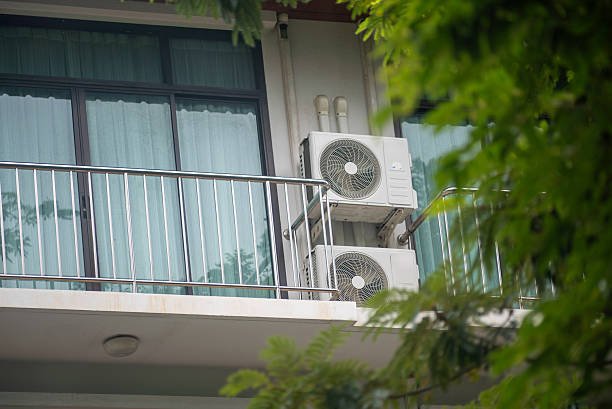
Condenser placement changes performance. Tucking a unit into a walled side yard or behind dense shrubs often causes hot discharge air to recirculate right back across the coil, slashing capacity during the hottest hours. Aim for clearances per manufacturer guidance, room for service, and free airflow. Light shading can help, but never at the cost of recirculation. If the home uses a roof-mounted package or an attic air handler, plan for service platforms, adequate lighting, and protected refrigerant lines. UV exposure in Las Vegas can degrade line set insulation; replacing or jacketing it preserves efficiency and prevents sweating in conditioned chases.
Condensate management is another desert-specific detail. Long cooling cycles mean steady drain flow. A properly sized trap is needed so the negative pressure at the coil does not hold condensate in the pan. Secondary drain pans under attic units and float switches on the overflow line add inexpensive protection against ceiling damage. If a unit was ice-prone due to prior airflow issues, translucent drain lines can help spot recurring problems early. These are small choices that prevent expensive fixes later.
- Commissioning and care: getting the charge, controls, and maintenance right
Commissioning is where design meets reality. Technicians should measure external static pressure, verify delivered CFM per ton, balance airflow to priority rooms, and set blower profiles to match duct capacity. Refrigerant charge should be confirmed using superheat and subcooling methods, not guesswork. Inverter systems require their own procedures and often a brief learning curve; skipping steps shortchanges the very features you paid for. Thermostat programming should align with staging, fan settings, and any humidity or ventilation accessories you use.
After installation, Las Vegas dust and long runtimes mean filters need a schedule, not a memory. Keep outdoor coils clear of lint and landscaping debris, and rinse fins gently before the first heat wave. A spring check that rechecks static pressure and coil cleanliness can catch creeping restrictions caused by filter choices or renovation dust. Variable-speed systems are particularly sensitive to airflow changes; staying proactive preserves quiet operation and peak-day capacity. If you changed windows, added insulation, or modified rooms, consider a quick rebalance visit. Small envelope changes can shift room loads more than you might expect.
Right-sizing and easy breathing ducts are not shiny upgrades, but they decide how a system handles Las Vegas afternoons. Ask for a room-by-room Manual J, a duct design that respects static pressure limits, and a commissioning plan that verifies airflow and charge. When equipment, ducts, and controls are matched to your home’s real load, rooms feel even, the condenser sounds calmer, and peak-day performance becomes boring in the best way. That foundation turns any brand or efficiency rating into the system you actually hoped to buy.
